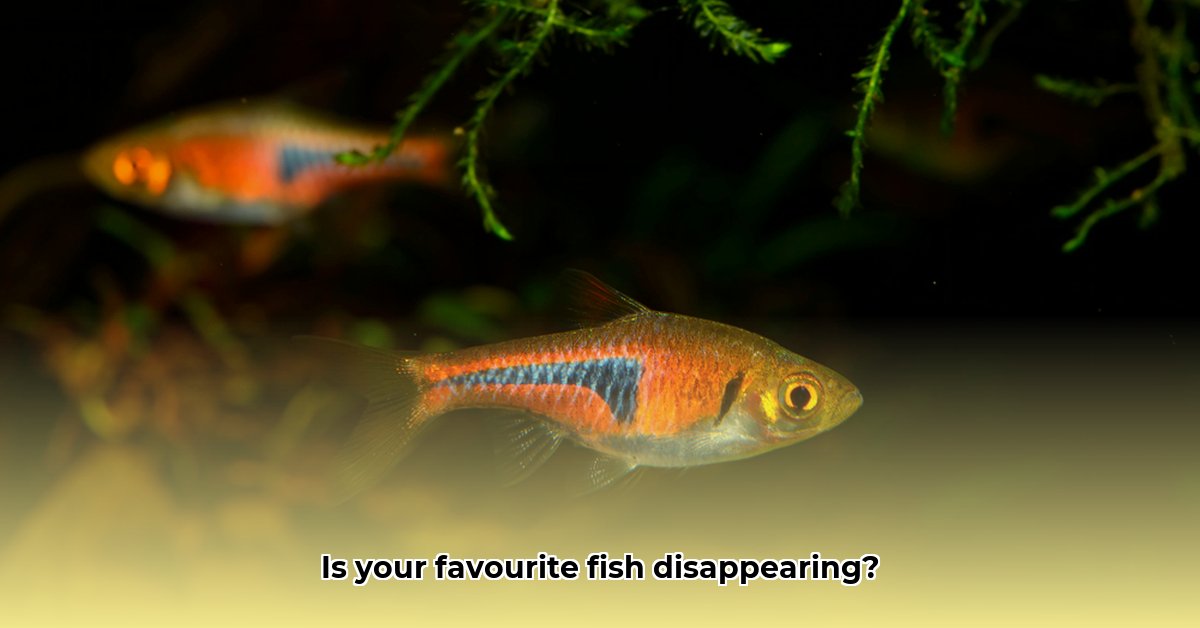
The Elrits: A Tiny Fish, a Big Problem
Have you ever heard of the elrits (Phoxinus phoxinus)? Probably not. This unassuming little fish, often called a common minnow, might seem insignificant, but its dwindling numbers in the Netherlands are sounding an alarm for our river ecosystems. Think of it as a canary in a coal mine – if the elrits is struggling, it means our waterways are in trouble. This article explores the challenges facing this karperachtige riviervis (carp-like river fish), explaining why its survival is so crucial and what we can do to help.
Understanding the Elrits and Its Importance
Picture a tiny, shimmering fish darting through the clear, shallow waters of a healthy stream, weaving amongst lush aquatic plants. That’s the elrits. Though small, it plays a vital role in maintaining the river’s delicate ecosystem. It's a natural cleaner, consuming algae and organic matter, keeping the water clear and healthy. It's also a crucial link in the food chain, serving as both predator and prey. A healthy elrits population is a strong indicator of a thriving river ecosystem. But this vital part of our natural heritage is facing a severe threat.
The Threats: Why Are Elrits Numbers Declining?
The elrits' story isn't all clear water and sunshine. Several factors are contributing to its decline in the Netherlands. It’s a perfect storm of environmental pressures.
Firstly, habitat loss is a major player. As human development encroaches on natural areas, riverbanks are altered, vegetation is cleared, and the elrits loses its essential home. Secondly, water pollution is a huge issue. Agricultural runoff, industrial waste, and everyday pollutants poison the water, harming these delicate creatures. The elrits is incredibly sensitive to changes in water quality, making it a valuable environmental indicator – but also dangerously vulnerable.
Thirdly, invasive species compete with the elrits for resources, further stressing the population. Finally, climate change is adding to the pressure, altering temperature and water flow patterns, impacting the elrits' ability to survive. The combined impact of these threats is far greater than the sum of its parts, creating a dire situation for the Dutch elrits population.
Current Conservation Efforts and the Way Forward
It’s not all doom and gloom. Several organisations are working to protect the elrits and its habitat. Scientists are actively monitoring elrits populations, tracking their movements, and identifying the threats. Habitat restoration projects are underway, focusing on replanting riverbank vegetation and improving water quality. Raising public awareness is also crucial, educating people about the impact their actions have on the environment. Policy changes, such as stricter environmental regulations, are also being advocated for.
However, these efforts are only a beginning. We need a far more comprehensive and collaborative approach. The survival of the elrits requires a shared responsibility, involving scientists, conservationists, policymakers, and the public.
What You Can Do to Help Save the Elrits
You might be thinking, "What can I possibly do?" Surprisingly, a lot! Even small actions contribute significantly.
Support Conservation Organizations: Donate to, or volunteer with, organizations dedicated to protecting Dutch rivers and their inhabitants. Several groups are working to improve water quality and protect existing breeding grounds.
Be a Responsible Citizen: Reduce your carbon footprint. Recycle, and support sustainable practices. Every small action contributes to a cleaner environment, benefiting the elrits and other aquatic life.
Advocate for Policy Changes: Contact your local representatives, urging them to support stronger environmental protection measures. Your voice matters!
A Call to Action: Securing the Future of the Karperachtige Riviervis
The elrits' survival is essential for the health of our river ecosystems. Its plight serves as a stark warning about the delicate balance of nature. The situation is serious, but not hopeless. By working together, we can make a real difference. The time for action is now. The future of the elrits, and the broader ecosystem, depends on our choices today. Let's protect this vital part of Dutch nature for future generations.